
Fresh from Wellspring Charitable Gardens - March 12, 2026

Fresh Today… Arugula, Rainbow Carrots, Red & Green Romain Lettuce Leaves, Kale, Rutabagas, Turnips, Celery, Cabbage, Green Onions, Parsley, Rosemary, Lemons, Grapefruit & Oranges
Using your Produce… by Julie Moreno
If you are serving up a special dinner for Saint Patrick’s Day, we’ve served up some recipes to serve along with corned beef or beef stew. Traditional cuisine from Ireland is hearty, rustic, and centered on simple ingredients that grow well in a cool climate, similar to our winter weather. Dishes feature potatoes, cabbage, root vegetables, dairy, and meats like lamb or pork, cooked in straightforward ways such as stewing, boiling, or baking. The focus is on comfort and letting the natural flavor of the ingredients come through. Colcannon is a mashed potato dish combined with kale or green cabbage. Here is a simple recipe to try next week.
Irish Colcannon
2 pounds potatoes, peeled and sliced
Salt
2-3 Tablespoons unsalted butter
(with more butter for serving)
3 lightly packed cups of chopped
kale or cabbage
3 green onions, minced (about 1/2 cup)
1 cup milk or cream
* Put the potatoes in a medium pot and cover with cold water by at least an inch. Add 1 tablespoon of salt and bring to a boil. Boil until the potatoes are fork tender (15 to 20 minutes). Drain in a colander and reserve. Return the pot to the stove and set over medium heat. Melt the butter in the pot and once it's hot, add the greens. Cook the greens for 4-6 minutes, or until they are wilted and have given off some of their water. Add the green onions and cook 1 minute more. Pour in the milk or cream, mix well, and add the potatoes. Reduce the heat to medium. Use a fork or potato masher and mash the potatoes, mixing them up with the greens. Add salt to taste and serve hot, with a knob of butter in the center.

March 17 - Happy St. Patrick’s Day!
St. Patrick's Day honors the life and service of St. Patrick (387-461 AD), patron saint of Ireland. Once a religious holiday, it has now become a worldwide celebration of Irish culture with parades, traditional Irish foods, music, dancing, drinking, and a wearin’ o’ the green. Erin go Bragh is an Anglicization of the Irish motto Éire go Brách, which means “Ireland till the end of time!”
- St. Patrick’s birth name was Maewyn Succat.
- St. Patrick was not Irish but born of a Romanized
British family.
- At 16 St. Patrick was captured by slave traders in Britain
and taken to Ireland. He spent six years enslaved and
working on a cattle farm.
- At 22 he left Ireland and traveled to France to study theology
in Auxerre and Tours.
- He wrote two short autobiographical works: Confessio
(The Declaration) and Epistola (Letters to the Soldiers
of Coroticus’).

Rutabagas and Potatoes…
In Scottish, neeps is the word for rutabagas, which are also known as swede in England. Tatties are potatoes. In England, neeps might be short for turnips, which substitutes for the rutabagas in this traditional recipe.
Neeps and Tatties
1-pound russet potatoes,
peeled and cubed
1-pound turnips or rutabaga,
peeled and cubed
2 tablespoons butter, softened
½ teaspoon mustard powder
2-3 green onions, finely chopped
salt and ground black pepper to taste
* Place potatoes and swede in a large pot; cover with water. Bring to a boil and cook until tender, about 15 minutes. Drain. Mash butter and mustard powder into potatoes and swede until well incorporated. Stir in green onions, salt, and pepper.

Metaphors of Soil and Soul…
Fennel Has Few Friends
Cindi J Martin
Have you often wondered why you get along well with some people but not so well with others? Are you embarrassed to admit that you don’t enjoy spending time with everyone equally, even some in your own family? Jesus commanded us to love one another, even our enemies, but how do we love those we genuinely dislike? We can learn wisdom from a practice gardeners have used for millennia - Companion Planting.
According to the website Tilly’s Nest, “Companion planting involves placing plants that can benefit from one another adjacent to each other in the garden. It also involves keeping some plants distanced from others, as they can be detrimental to one another’s growth.” The word “Distanced,” however, does not mean we exclude peevish plants from the garden; it means acknowledging their preferences and accommodating their placement needs. Fennel and basil are delightfully sweet herbs that share similar notes of anise. They pair well on a plate but not in adjacent garden plots.
Fennel is a loner with a “bad boy” reputation. When crowded, it becomes aggressive. Though fennel does attract beneficial bugs, it is an allelopath (veggie sociopath?), which means it secretes noxious chemicals to prevent germination or suppress growth of plants that dare encroach on its space (“Stay in your row, Bro…ccoli!”). Fennel especially dislikes intrusive vines and clingy plants that have no regard for personal space (Don’t we all?). Peas, beans, and eggplant come to mind. Basil, in contrast, wants to be everybody’s best buddy, loves a crowd, and attracts beneficial pollinators too. It’s the life of the garden party! Though peevish fennel and genial basil have conflicting needs for space and closeness, let’s refrain from labeling basil the “good” plant and fennel the “bad” because they aren’t alike or each other’s BFF – Best Field Friend. Respecting their differences requires that we find the right, albeit removed, garden row for fennel to grow and enhance the garden’s variety and beauty.
What if we were to regard a similar reality in the human garden? We do get along with some folk better than others! What if we respected differences and recognized preferences yet still maintained a safe and healthy distance from those who are fennel-like? Insisting on being close to all prevents some from growing and thriving. We can better love those we dislike when we realize we do not need to plant ourselves in the row right next to them. You know well the wisdom in “Bloom where you are planted.” This is also wisdom: “Plant where you will bloom!”
“You have heard that it was said, ‘You shall love your neighbor and hate your enemy.’ But I say to you, love your enemies and pray for those who persecute you, so that you may be sons of your Father who is in heaven; for He causes His sun to rise on the evil and the good, and sends rain on the righteous and the unrighteous.” Matthew 5:43-45
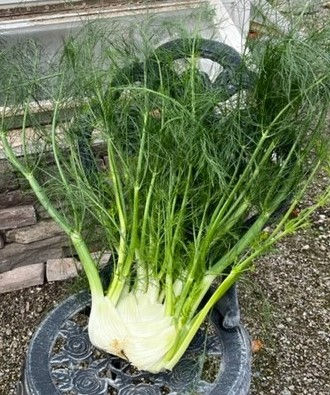
“Time out, Fennel!”


Comments